



A football fan checking the odds for Saturday’s matches and somebody playing roulette might seem to have very little in common. One is interested in sporting events, team performances and the outcome of a match, while the other is enjoying a casino game with its own rules and pace. Yet both activities are increasingly available through the same websites and mobile apps.
This wasn’t always the case. Online sportsbooks originally concentrated on sporting events, while casino websites built their businesses around slots, blackjack, roulette and other traditional games. Customers often needed separate accounts, and the two services had different designs and payment systems.
Today, many established gaming companies offer both. The change has been driven partly by customer preferences, but advances in technology have made it much easier for operators to manage different forms of entertainment through a single platform.
One account for different kinds of entertainment
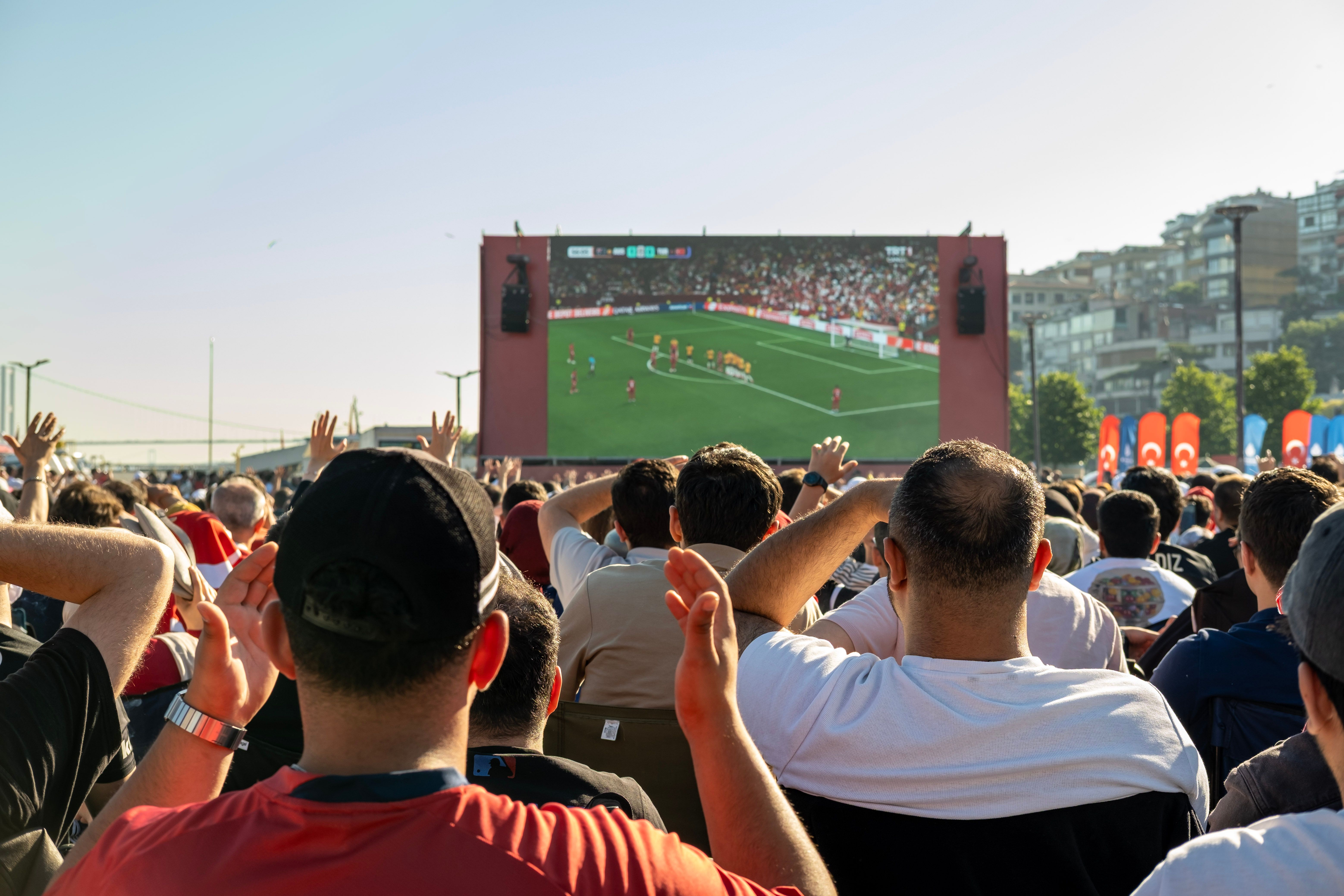
Convenience is probably the easiest reason to understand. Someone following an afternoon of football might also enjoy an occasional casino game, particularly during the break between fixtures. Having both available through the same account means there’s no need to keep switching between unrelated websites.
A football match can take up most of an afternoon once the build-up and half-time discussions are included, but there are plenty of quieter periods between fixtures. Online gaming platforms have found ways to offer entertainment beyond the sporting calendar, and the selection available through betway tanzania includes casino games such as slots, roulette and blackjack alongside football and other sports betting markets. This gives customers the freedom to explore different games and sporting events without having to visit several websites.
There’s a practical benefit for the company as well. Rather than developing completely independent services, operators can use shared account systems, customer support arrangements and payment infrastructure across different areas of their business.
Of course, putting several services on one website is only useful when customers can find what they’re looking for. That has made navigation and platform design increasingly important.
The technology that makes it possible
An online sportsbook and an online casino operate quite differently behind the scenes. Sports betting depends on information about real events, with odds changing as new developments occur. Casino games follow their own technical requirements, whether they’re software-based slots or live broadcasts from a roulette studio.
Making both services available through one account requires several systems to communicate reliably. Customer balances, transaction histories and account verification information need to remain consistent as people move between sections.
Consider a customer who checks the odds for an upcoming match before opening a blackjack game. The transition might involve only a couple of taps, but the platform still needs to recognise the account, load the chosen game and display the appropriate balance.
The tech involved is more complicated than the finished website makes it appear. Different games may be supplied by different software developers, while the sportsbook might use separate technology for pricing and managing its betting markets.
Sports betting has its own demands
Football is particularly interesting from a technology perspective because the busiest periods are often easy to anticipate. A major tournament or a full weekend of league fixtures can bring large numbers of customers to a sportsbook at roughly the same time.
The platform needs to display upcoming matches, process betting requests and keep available markets updated as events unfold. During live matches, a goal, red card or penalty decision can lead to changes in the odds.
That activity creates demands that don’t exist in quite the same way for traditional casino games. Sportsbooks rely on live information and trading systems, while casino platforms need to manage individual game sessions and communicate with game providers.
Sharing a website doesn’t make those differences disappear. It simply allows customers to access the services through a common interface.
For operators, preparing for busy sporting periods also means considering the wider business. Customer support teams, payment services and account management systems may all experience increased activity during major events.
Casino games bring a different kind of variety

Sports betting tends to follow the sporting calendar. There are busy weekends, quieter afternoons and major tournaments that attract attention for several weeks. Casino games aren’t tied to a fixture list, which gives online platforms a different kind of entertainment to offer throughout the day.
The range of casino games has also expanded considerably. Classic slots and table games remain familiar choices, but online libraries now include games with elaborate animations, unusual themes and different styles of gameplay.
Platforms such as betway bring sports betting and casino entertainment together while allowing each category to retain its own features. A football betting page needs fixtures and market information, whereas a casino library benefits from game categories, search tools and clear descriptions.
Mobile phones have changed expectations
Much of the industry’s development has taken place alongside the rise of mobile gaming. Customers increasingly expect to browse sports markets, open casino games and manage their accounts from a smartphone.
That expectation has influenced the way gaming platforms are built. Navigation needs to work on smaller screens, buttons must be comfortable to use with touch controls, and important information should remain easy to read.
There’s also the matter of internet connectivity. A customer travelling between locations might experience changes in mobile network speed, so platforms need to consider how their different services perform under varying conditions.
Good mobile design also means recognising that people use their phones differently from desktop computers. Someone checking a football fixture might only need a few seconds, while a casino game usually involves opening a separate session.
The platform has to accommodate both without making either experience unnecessarily complicated.
Why payments and customer service matter
Combining sports betting and casino games also brings operational advantages that customers may not immediately notice. A shared account can make it easier to review transactions, manage personal details and access customer support.
Customer service works in a similar way. An enquiry about an account or payment doesn’t necessarily need to be handled by an entirely separate team simply because the customer was using a sportsbook rather than a casino game.
For the business, bringing these activities together can make operations more consistent. For customers, the benefit is having familiar account features available across the platform.
Different games, one digital destination
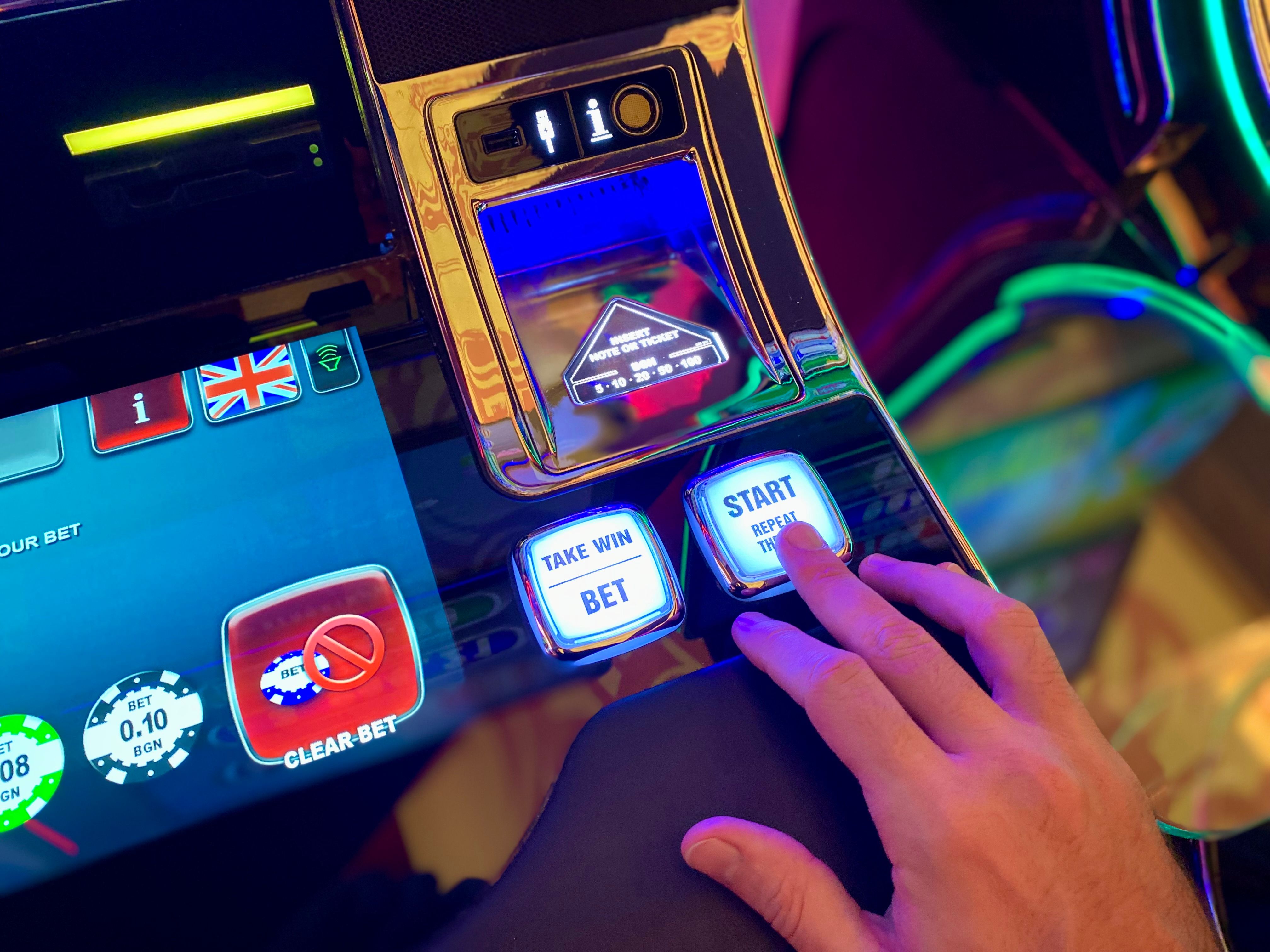
Sports betting and casino entertainment still provide very different experiences. One revolves around sporting events and changing markets, while the other offers games with established rules, themes and individual sessions.
What brings them together is the technology and infrastructure needed to deliver those experiences. Shared accounts, mobile access, payment systems and customer services have made it practical to offer both without building completely separate businesses.
As gaming platforms continue to develop, the biggest improvements may come from making these different services work more comfortably together. Customers can concentrate on the sports and games they enjoy, while the complicated work of connecting everything happens behind the scenes.